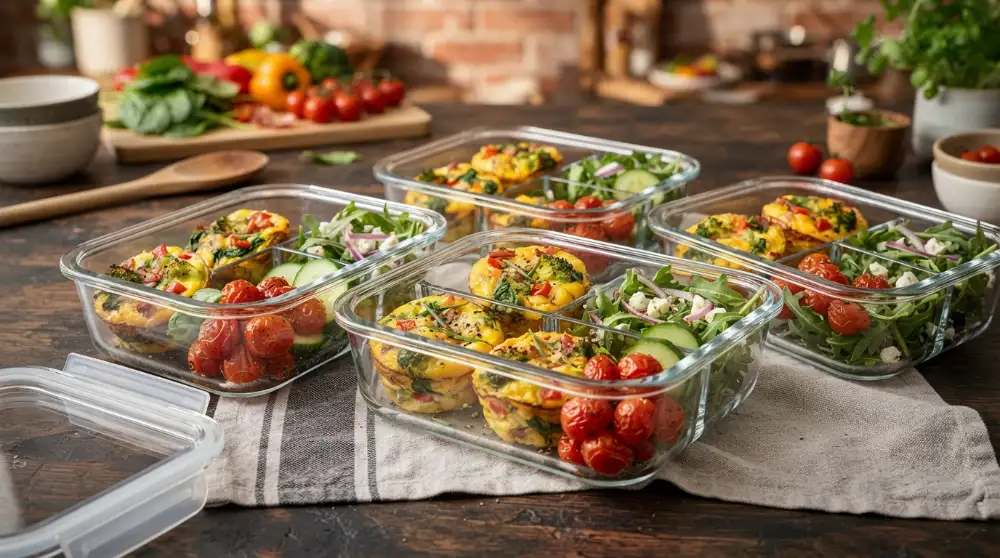

Fuel your mornings with the ultimate grab-and-go solution designed for maximum efficiency and peak nutritional performance. This Protein Egg Muffin Meal Prep guide provides everything you need to master high-protein, delicious, and portable breakfasts for the entire week.
Elite Protein Egg Muffins
American Cuisine • 6 Servings
15 Mins
25 Mins
40 Mins
Ingredients
- 10 Large Whole Eggs
- 1 Cup Low-Fat Cottage Cheese
- 1 Cup Cooked Ground Beef or Diced Chicken Sausage
- 1 Cup Fresh Baby Spinach, Chopped
- 1/2 Cup Red Bell Pepper, Finely Diced
- 1/2 Cup Shredded Sharp Cheddar Cheese
- 1 tsp Sea Salt and 1/2 tsp Black Pepper
Instructions
- 1 Preheat oven to 350°F (175°C) and grease a 12-cup muffin tin thoroughly.
- 2 Place eggs, cottage cheese, salt, and pepper in a blender and pulse until smooth and airy.
- 3 Divide the cooked meat, spinach, and bell peppers evenly among the 12 muffin cups.
- 4 Pour the egg mixture over the fillings, leaving about 1/4 inch of space at the top.
- 5 Sprinkle cheddar cheese over each muffin and bake for 20-25 minutes until the centers are set.
Nutrition Facts
Estimate per Serving (2 Muffins):
280 kcal
4g
24g
18g
1g
540mg
The Evolution of the Portable Egg Breakfast
The journey of the Protein Egg Muffin Meal Prep trend is rooted in a long history of culinary convenience. Long before they were a staple of fitness enthusiasts, the concept of a portable egg dish was born out of necessity for the working class. In the 19th century, street vendors in East London sold “baps,” which were soft rolls filled with eggs and meat, providing a quick and hearty meal for factory workers on their way to a shift. However, the true commercial breakthrough for the modern “egg muffin” shape came in 1972.
Herb Peterson, a franchise owner, sought to replicate the flavors of Eggs Benedict in a handheld format. By creating a specialized Teflon ring to cook eggs in a perfectly circular shape, he revolutionized breakfast with the Egg McMuffin. While the fast-food version relied heavily on English muffins and processed meats, the home-cooking community eventually realized that the egg itself could serve as the structure. By the early 2010s, with the rise of grain-free and high-protein dietary trends, the crustless “egg muffin” baked in a muffin tin became a global sensation for those seeking Protein Egg Muffin Meal Prep solutions.
Nutritional Science: Why Egg Muffins Win
When we talk about Protein Egg Muffin Meal Prep, we are talking about more than just convenience, we are discussing optimized nutrition. A standard high-protein egg muffin typically provides between 150 and 210 calories, depending on the choice of protein and dairy. These muffins are nutritional powerhouses, containing high levels of Vitamin B12, Choline (essential for brain health), Selenium, and Vitamin D.
One of the professional secrets to boosting the protein content without adding excessive fat is the integration of cottage cheese. By blending cottage cheese into the egg base using a high-powered blender like the Ninja BN751 Professional Plus DUO Blender, you create a silky, custard-like texture that mimics the mouthfeel of a gourmet quiche while adding 10-15 grams of protein per serving. This makes the muffins more satiating and helps regulate blood sugar levels throughout the morning.
Professional Ingredient Selection (Pork-Free)
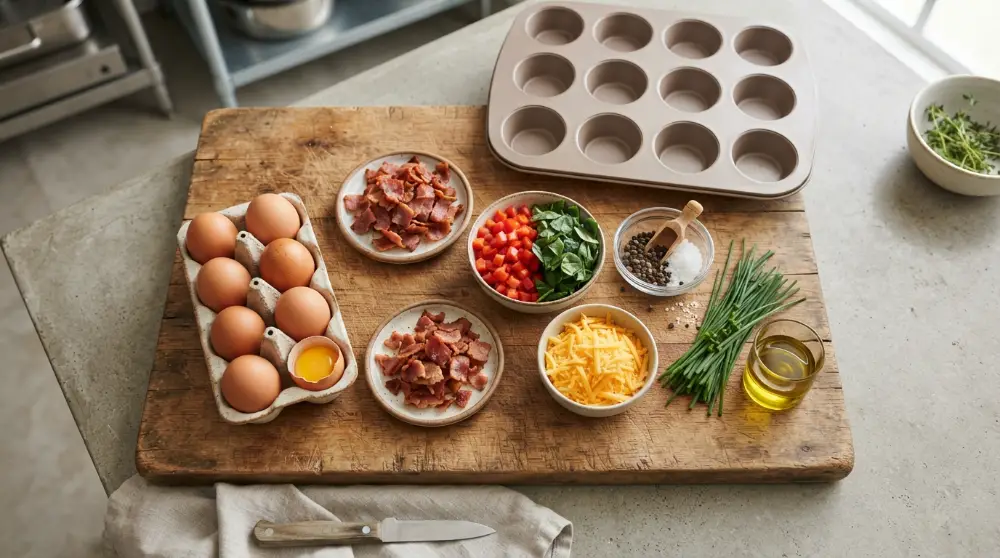
Maintaining a pork-free diet does not mean sacrificing flavor in your Protein Egg Muffin Meal Prep. In fact, using alternative proteins often leads to a cleaner, more sophisticated flavor profile. Here are some professional-grade substitutions:
- Lean Ground Beef: Browned with cumin and paprika, ground beef provides a rich, savory base that pairs perfectly with sharp cheddar.
- Chicken Sausage: Look for apple or herb-infused chicken sausages for a burst of flavor without the heavy grease of traditional options.
- Smoked Turkey: Diced turkey breast adds a lean, smoky element that mimics the profile of ham without the pork.
- Beef Bacon: If you crave that crisp texture, beef bacon can be air-fried to perfection before being added to the egg mixture.
To ensure these ingredients are prepped quickly and consistently, a Cuisinart 8 Cup Food Processor is a meal-prep essential. It allows you to pulse your proteins and vegetables into the uniform sizes required for even baking in a muffin tin.
Flavor Variations Table
| Flavor Profile | Protein Source | Key Ingredients |
|---|---|---|
| Steak & Blue Cheese | Seared Sirloin Beef | Beef, blue cheese, caramelized onions, thyme. |
| Buffalo Chicken | Shredded Chicken | Chicken, hot sauce, celery, green onions. |
| Mediterranean | Chickpeas | Chickpeas, feta, spinach, sun-dried tomatoes. |
| Spicy Salsa Beef | Ground Beef | Lean beef, cumin, mild salsa, green chilies. |
Advanced Techniques for Meal Prep Success
The biggest challenge with Protein Egg Muffin Meal Prep is the “stick factor.” Eggs contain proteins that bond aggressively to metal surfaces. To avoid a cleaning nightmare, we recommend using silicone muffin liners or a very high-quality non-stick muffin pan. Furthermore, ensuring your vegetables are properly roasted or sautéed before adding them to the eggs is crucial. Raw vegetables release moisture during the baking process, which can lead to soggy muffins.
For the best results, use a Cosori 9-in-1 TurboBlaze Air Fryer 6 Qt to roast your diced peppers, onions, and even your chickpeas or chicken sausage before they go into the tin. This removes excess moisture and concentrates the sugars in the vegetables, resulting in a much deeper flavor profile.

Storage and Freezing Strategies
Once your Protein Egg Muffin Meal Prep is complete, storage is the final step in ensuring quality. These muffins will last up to 4 days in the refrigerator. For the best preservation of texture, use the Rubbermaid Brilliance Glass Storage Set. Glass is superior to plastic for egg dishes as it doesn’t retain odors and provides a completely airtight seal that prevents the muffins from drying out.
If you are prepping for the entire month, these muffins freeze beautifully. Place the cooled muffins on a baking sheet to freeze individually before transferring them to a vacuum-sealed bag. Using a FoodSaver Vacuum Sealer Machine is the professional way to prevent freezer burn and keep your breakfast tasting as fresh on day 30 as it did on day 1. To reheat, simply microwave for 30-45 seconds or pop them back into the air fryer at 350°F for 3 minutes for a crispy exterior.
The Importance of High-Quality Fats
While the focus is often on the protein, the quality of the fats in your Protein Egg Muffin Meal Prep is equally important. Using pasture-raised eggs ensures higher levels of Omega-3 fatty acids and Vitamin E. When choosing cheese, opt for sharp, aged varieties. Because they have a stronger flavor, you can use less, which keeps the calorie count in check while maintaining a satisfying taste. For a dairy-free alternative, you can substitute the cheese with diced avocado added after reheating, or use a nutritional yeast blend in the egg mixture to provide a cheesy flavor without the dairy.
For more inspiration and visual guides on how to stack your meal prep containers like a pro, check out our curated boards on Pinterest. We regularly share new variations of this classic recipe to keep your meal plan exciting and sustainable.