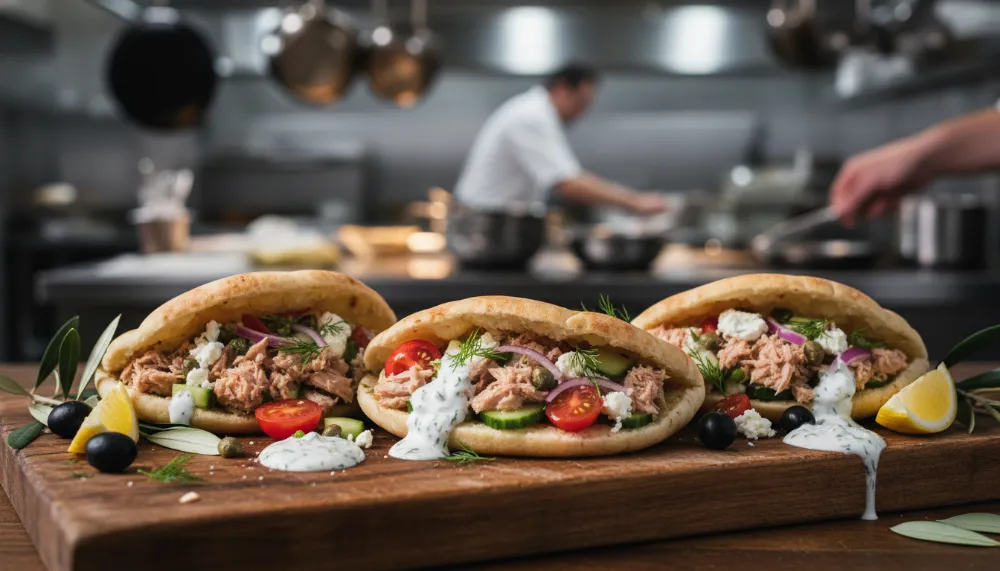

Mediterranean Tuna Stuffed Pitas are a vibrant, protein-packed meal that perfectly bridges the gap between ancient culinary traditions and modern healthy eating. This versatile dish combines flaky tuna with zesty vegetables and aromatic herbs, all tucked into a warm, fluffy pita pocket.
Mediterranean Tuna Stuffed Pitas
Ingredients
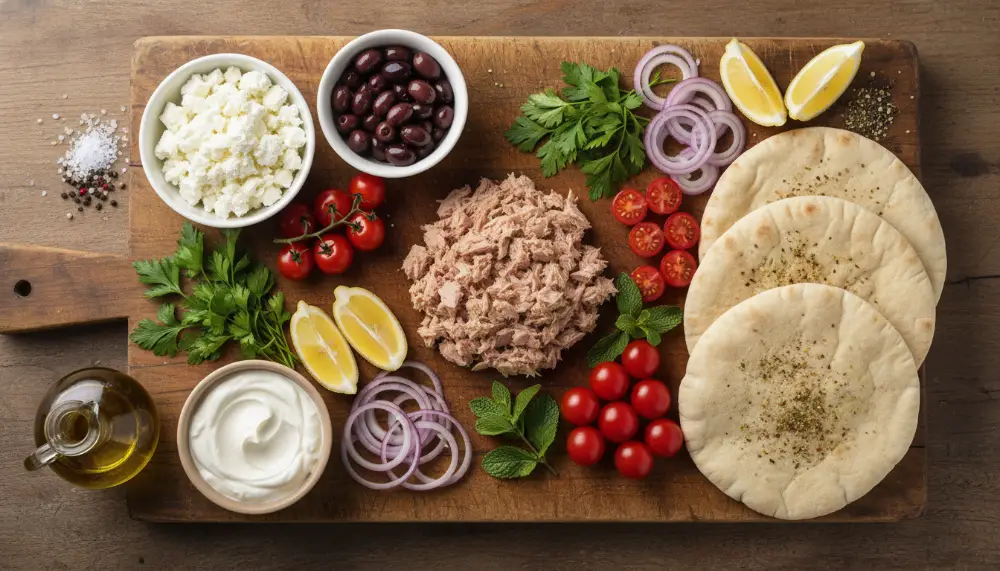
- 2 5oz Cans of tuna packed in olive oil (drained)
- 4 Whole wheat pita pockets, lightly toasted
- 1 Large English cucumber, diced finely
- 1 Cup cherry tomatoes, quartered
- 1/4 Red onion, very thinly sliced
- 1/2 Cup Kalamata olives, pitted and halved
- 2 Tablespoons fresh lemon juice
- 1 Teaspoon dried oregano
- 1/4 Cup fresh flat-leaf parsley, chopped
Instructions
- 1 In a large mixing bowl, combine the drained tuna, lemon juice, and dried oregano. Flake the tuna with a fork to your desired consistency.
- 2 Fold in the diced cucumber, cherry tomatoes, red onion, and olives. Use a high-quality food processor like the Cuisinart 8 Cup Food Processor (https://amzn.to/47Nhbg8) for quick vegetable prep.
- 3 Add the fresh parsley and a drizzle of extra olive oil if the mixture seems dry. Mix thoroughly to ensure the flavors are well distributed.
- 4 Slice the pitas in half and gently open the pockets. If you prefer a crispier bread, use the Cosori 9-in-1 TurboBlaze Air Fryer (https://amzn.to/4hRWmVq) to warm them for 2 minutes.
- 5 Generously stuff each pita half with the tuna mixture. Serve immediately or store in Rubbermaid Brilliance Glass containers (https://amzn.to/4oD0YkY) for lunch later.
The Ancient History of Mediterranean Tuna Stuffed Pitas
Mediterranean Tuna Stuffed Pitas are a staple of modern Mediterranean-inspired cuisine, blending ancient bread-making traditions with the region’s long-standing reliance on preserved and fresh seafood. To understand this dish, we must first look at its two primary components: the pita and the tuna. The pita is one of the world’s oldest known breads, with roots stretching back over 10,000 years to the Fertile Crescent. Ancient agricultural societies in Greece and the Middle East baked simple flatbreads on hot stones, providing a durable and portable food source for early civilizations. The unique “pocket” version of the pita, formed by a burst of steam during high-heat baking, effectively transformed bread into a culinary “utensil,” allowing travelers and laborers to carry portions of meat or vegetables conveniently without the need for plates or cutlery.
While the bread has ancient roots, the filling has its own storied past. The Mediterranean’s historical dependence on tuna, specifically Bluefin and Skipjack, has been documented since the Bronze Age. Coastal civilizations developed complex methods for preserving this massive fish, often packing it in salt or oil to ensure it could be traded inland. The modern variation of Mediterranean Tuna Stuffed Pitas is a direct descendant of the Salade Niçoise and the Sicilian tradition of pairing oil-packed tuna with briny aromatics like capers, olives, and citrus. This fusion of a portable ancient bread and a nutrient-dense marine protein has created a lunch classic that stands the test of time.
A Detailed Nutritional Profile
When you consume a Mediterranean Tuna Stuffed Pita, you aren’t just eating a meal, you are fueling your body with a balanced ratio of macronutrients and essential vitamins. A standard serving using a 6-inch whole wheat pita and approximately 4 ounces of tuna provides a significant nutritional punch. In terms of calories, you are looking at roughly 320 to 390 kcal, making it a perfectly sized meal for weight management or active lifestyles. The protein content is particularly impressive, ranging from 25g to 30g. This high-quality lean protein is essential for muscle repair, immune function, and keeping you satiated throughout the afternoon.
Fiber is another critical component, especially if you opt for whole-grain pita bread. You can expect 5g to 7g of fiber, which aids in digestion and helps regulate blood sugar levels. The fat content, typically between 8g and 12g, is primarily composed of heart-healthy Omega-3 fatty acids from the tuna and monounsaturated fats from the olive oil. These fats are vital for brain health and reducing inflammation within the cardiovascular system. Micronutrient-wise, this dish is an excellent source of Vitamin B12, which supports nerve function, and Selenium, a powerful antioxidant that is crucial for thyroid health. Furthermore, the inclusion of fresh vegetables like cucumbers and tomatoes adds a healthy dose of Potassium and Vitamin C.
Four Professional Flavor Variations
To elevate Mediterranean Tuna Stuffed Pitas beyond the basics, professional chefs often look toward regional micro-cuisines for inspiration. By moving away from traditional mayonnaise-based salads and toward bright, acidic, and herb-forward profiles, you can transform a simple lunch into a gourmet experience.
Variation A: The Aegean Coastal (Greek-Inspired)
This version focuses on the bright flavors of the Greek islands. The base consists of flaked tuna mixed with a dollop of thick Greek yogurt and a generous splash of fresh lemon juice. For aromatics, incorporate chopped Kalamata olives, crumbled feta cheese, and plenty of fresh dill. The crunch comes from diced English cucumbers and red onions. A final sprinkle of dried oregano and a drizzle of premium extra virgin olive oil ties everything together. This variation is refreshing and provides a creamy texture without the need for heavy dressings.
Variation B: The Levantine Garden (Middle Eastern-Inspired)
The Levantine version takes inspiration from the vibrant spice markets of Lebanon and Israel. Instead of yogurt or oil alone, the tuna is tossed in a luxurious Tahini-Lemon dressing. To make this dressing smooth and pourable, use the Ninja BN751 Professional Plus DUO Blender (https://amzn.to/3LCDyNR) to emulsify tahini, lemon juice, and a touch of vegetable broth. Add aromatics like ground sumac, toasted cumin, and a heavy hand of flat-leaf parsley. For added texture, include smashed chickpeas, radishes, and pickled turnips. A pinch of Aleppo pepper provides a mild, fruity heat that lingers on the palate.
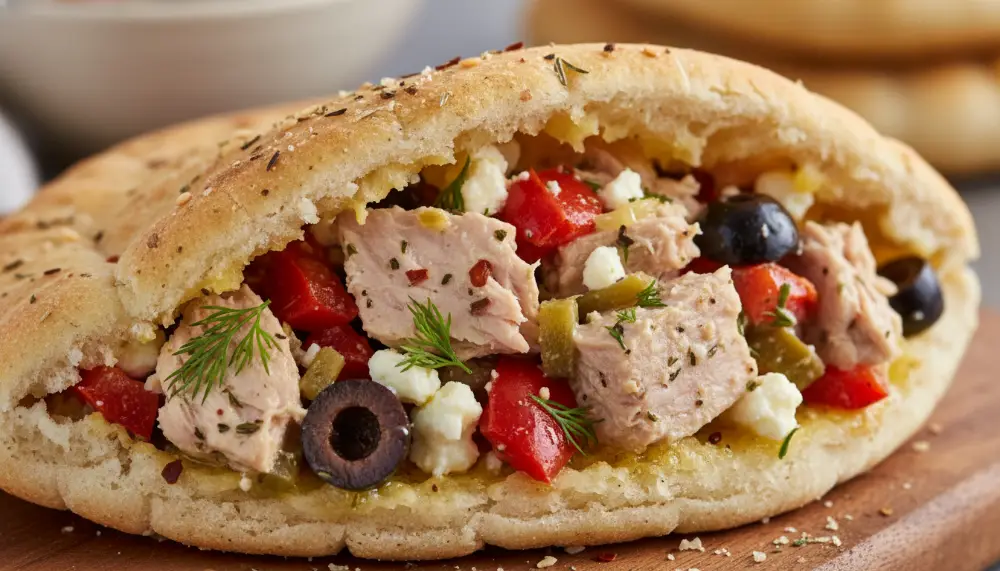
Variation C: The Adriatic Umami (Italian-Inspired)
Italy’s Adriatic coast is famous for its bold use of pantry staples. For this variation, use tuna packed in olive oil, drained but still moist. Mix it with a paste made from minced capers and lemon zest to create a deep umami flavor. Add chopped sundried tomatoes and fresh basil leaves for a sweet and savory contrast. The greens used here are wild arugula and thinly sliced fennel, which provide a peppery and slightly anise-like bite. To finish, use a reduction of balsamic vinegar, ensuring it is alcohol-free, to create a sweet and tangy glaze that cuts through the richness of the tuna.
Variation D: The Maghreb Heat (North African-Inspired)
For those who enjoy a bit of spice, the North African variation is unbeatable. The tuna is flaked with Harissa paste, a blend of roasted chili and bell peppers, along with a spoonful of concentrated tomato paste. Incorporate preserved lemon peel and fresh cilantro for a bright, citrusy punch. For the vegetable component, use the Cosori Air Fryer to roast red peppers and zucchini ribbons until they are tender and slightly charred. Top the mixture with toasted pine nuts to add a buttery crunch that balances the heat of the Harissa.
Essential Tools for Perfect Mediterranean Pitas
To achieve professional results at home, having the right equipment is non-negotiable. For sauces like the tahini dressing or the harissa paste mentioned in our variations, the Ninja BN751 Professional Plus DUO Blender is an absolute powerhouse. Its 1000W motor ensures that even the grittiest tahini becomes silky smooth. When it comes to the vegetables, the Cosori 9-in-1 TurboBlaze Air Fryer 6 Qt is ideal for roasting chickpeas or zucchini ribbons with minimal oil, giving you that perfect char in a fraction of the time. For high-volume chopping of cucumbers, onions, and parsley, the Cuisinart 8 Cup Food Processor is a meal-prep essential that saves significant time during a busy week.
Storage is equally important, especially if you are making these pitas for work lunches. The Rubbermaid Brilliance Glass Storage Set is leak-proof and stackable, making it perfect for keeping your tuna salad separate from your pitas until it is time to eat, thus preventing the bread from becoming soggy. If you buy ingredients like tuna or pita bread in bulk, the FoodSaver Vacuum Sealer Machine is an excellent investment to keep your ingredients fresh longer and prevent freezer burn on your pitas.
The Art of the Perfect Pita
Not all pitas are created equal, and the way you handle the bread can make or break your Mediterranean Tuna Stuffed Pitas experience. When selecting pitas, look for those that are soft and pliable. If they feel stiff in the bag, they are likely dry and will crack when you try to open the pocket. To revive a store-bought pita, wrap it in a damp paper towel and microwave it for 15 seconds, or better yet, use the steam function on a modern toaster oven. This restores the moisture to the dough, making it easy to slice and stuff. If you are using whole wheat pitas, they tend to be a bit sturdier, which is beneficial when dealing with moist fillings like our lemon-tuna mixture. Always slice the pita just before serving to ensure the interior stays soft while the exterior retains a slight structure.